
Understanding MRI
Clear, simple, and reassuring
Everything you need to know about MRI, how it works, and why it's used, so you can feel informed and confident.

What is an MRI?
A safe, detailed way to see inside the body
MRI (Magnetic Resonance Imaging) is a non-invasive scan that creates highly detailed images of your body’s internal structures. It uses powerful magnets and advanced technology—not radiation—to help doctors diagnose a wide range of conditions.
MRI is commonly used to assess:
- Brain and neurological conditions
- Spine disorders
- Joint and musculoskeletal injuries
- Abdominal and pelvic conditions
- Blood vessels and circulation
- Infections
- Tumours (benign and malignant)
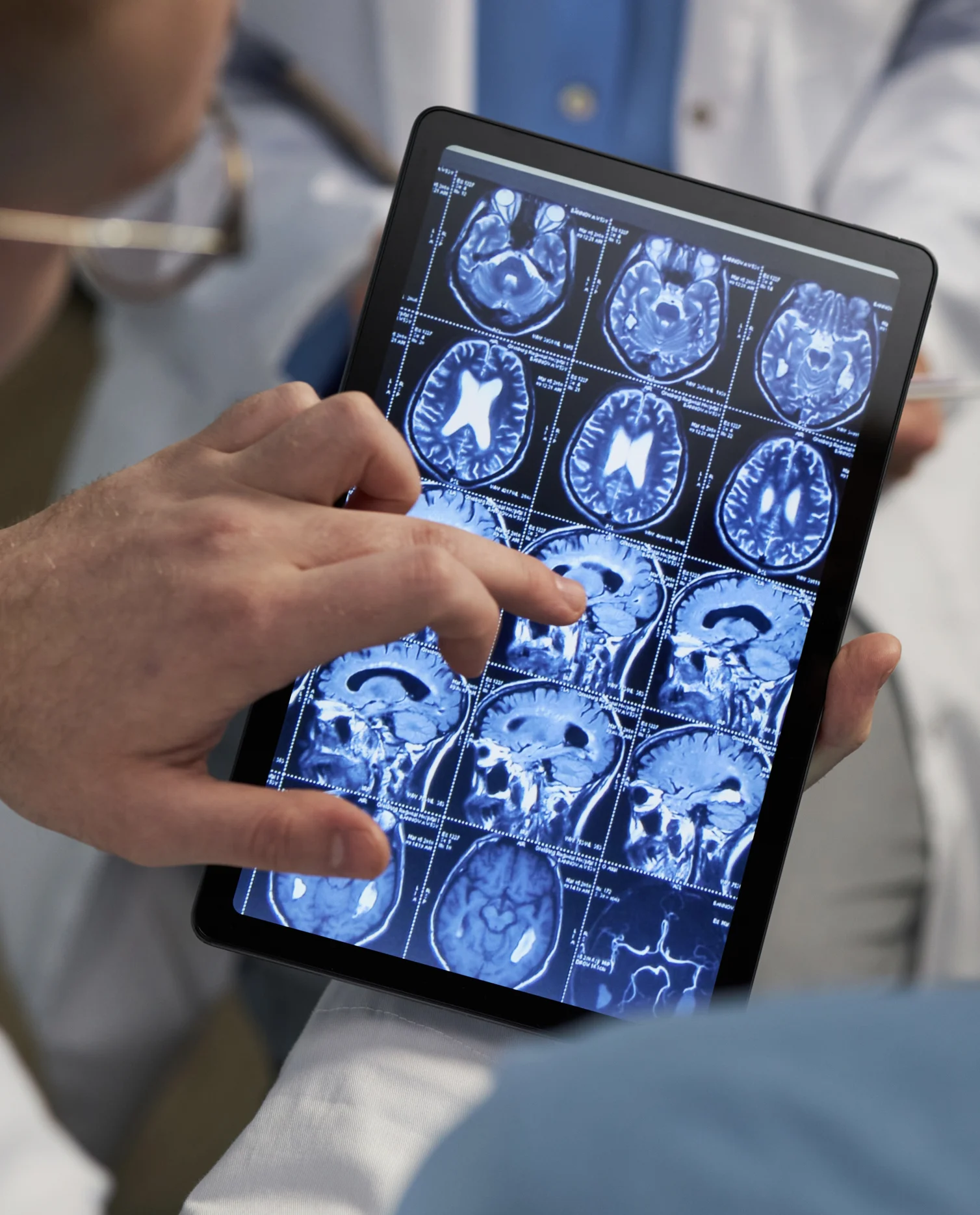
3T MRI, the most advanced level of MRI imaging
3T MRI is the most advanced type of MRI available, offering faster scan times and significantly higher image quality.
Compare the differences between the three types of MRI available in Cayman.

Magnetic strength
Image quality
Scan duration
Diagnostic accuracy
Level of technology
Why 3T matters
3T MRI technology produces more detailed images, helping detect issues earlier and with greater accuracy.
While open MRI can be useful in certain cases, it may not always provide the level of detail required. In some situations, patients may need a repeat scan on a higher-strength system to achieve a more accurate diagnosis.
“Start with 3T for clearer images, faster answers, and fewer repeat scans.”
MRI vs CT, X-Ray & Ultrasound
Different tools for different needs
MRI is often preferred when detailed images of soft tissues are needed, such as the brain, spine, joints, and internal organs. Your doctor will recommend the most appropriate scan based on your condition.
MRI
No radiation, highly detailed soft tissue imaging
CT / X-ray
Use radiation, often for bones or emergencies
Ultrasound
Uses sound waves, often for pregnancy or soft tissue
Common MRI myths and facts
Separating fact from fiction
MRI uses radiation

Zero radiation is used. MRI uses magnets and radio waves, not X-rays or radiation.
My whole body will be scanned
Only the area being examined is scanned.
MRI contrast dye changes the colour of your urine
MRI contrast is clear, safe and colourless and does not normally cause changes in urine colour.
You must remain completely motionless for the entire appointment
You will need to remain still during the actual scan to ensure the best images are captured. Your radiographer will let you know when it's important to stay still.
Still have questions?
Our team is here to help. Visit our FAQs or get in touch if you’d like more information about your MRI scan.
Book your MRI in Cayman with confidence
Whether you’re booking a scan or referring a patient, we’re here to help — quickly, safely, and professionally.